
The Identity Gap™
A framework for understanding the space between lived experience and social recognition.
Some journeys change more than where we live.
They reveal the narratives, assumptions, and systems that shape how we are seen.
And they expose the gap between the reality of our experience and the stories available to make sense of it.





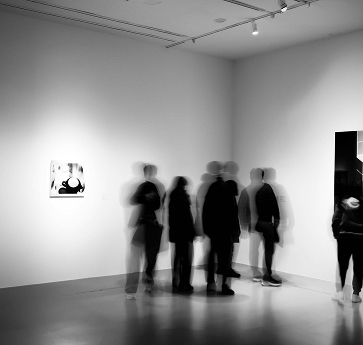
The Identity Gap™ is the space between lived experience and social recognition.
The experience is real. The language is missing.
You May Recognise This
-
The stories available to explain you don’t fully reflect your reality.
-
You’re understood through assumptions that feel incomplete or inaccurate.
-
Some identities are more easily recognised and valued than others.
-
You sense something important is happening, but the language feels insufficient.
-
There’s tension between how you know yourself and how you’re interpreted.
-
You navigate expectations about who you are and what you should aspire to be.
The Framework
-
Stories We Inherit
The narratives that shape us before we ever consciously choose them.
Before we choose
-
Systems We Move Through
The structures that shape recognition, belonging, and what becomes possible.
As we move
-
The Identity Gap
What happens when lived experience outgrows the stories available to explain it.
When stories no longer fit
-
Authorship
What becomes possible once those stories are yours to revise.
When the story becomes yours
We become ourselves inside systems we did not create.
-
Stories We Inherit
Stories are infrastructure.
Long before we understand ourselves, we inherit ideas about who we are, where we belong, what is valuable, and what kinds of lives are possible.
Stories shape identity.
They shape aspiration.
They shape belonging.
They shape possibility.
They often feel natural until life reveals them as stories.
What stories shaped me before I knew they were shaping me?
-
Systems We Move Through
Stories do not exist in isolation. They become embedded in systems.
Narrative systems.
Language systems.
Cultural systems.
Prestige systems.
Class systems.
Colonial systems.
These systems influence who is recognised, who is heard, who belongs, and what becomes imaginable.
We become ourselves inside systems we did not create.
What forces have shaped how I see myself and how others see me?
-
The Identity Gap
The Identity Gap emerges when lived experience can no longer be fully understood through the stories available to explain it.
When people are recognised through narratives that no longer reflect the reality of their experience.
When assumptions, categories, and expectations fail to capture the complexity of who they are.
What’s happening to me?
-
Authorship
Once stories become visible, they are available for examination.
Not reinvention.
Not assimilation.
Authorship.
The capacity to consciously question, revise, and reshape the narratives that organise identity.
From unconscious adaptation to conscious choice.
From performance to authorship.
Who am I becoming beyond the stories I inherited?
Named Experiences Within The Gap
The vocabulary for what you’ve been living.
-
The Borrowed Gaze
When other people’s judgement becomes your inner voice.
-
The Good Immigrant Script
When belonging becomes performance.
-
Conditional Belonging
Acceptance that is warm until circumstances change.
-
Accent Lines
The moments when your voice signals your place in a hierarchy.
-
Identity Lag
When who you’ve become hasn’t caught up to how you’re seen.
-
The Internal Border
The border that stays with you long after you’ve crossed it.



We Become Ourselves
Inside Systems
We Did
Not Create.
The experience is real. The language is missing.
Explore The Identity Gap™
The Identity Gap™ is an ongoing body of work explored through writing, conversation, and learning experiences.
Current explorations:
The Modern Migrant Podcast
Essays & Reflections
The first learning experience is currently in development.

Perhaps the most important questions are not:
Who am I?
Or where do I belong?
But:
Which stories shaped me?
Which systems taught me how to see myself?
What becomes possible once those stories become visible?